You have already watched the wildebeest cross the Mara River. You have already photographed Amboseli‘s elephants against Kilimanjaro. So what does a second or third Kenya trip look like? For many repeat visitors, the answer is north. Touring Insights mapped a real northern frontier circuit. It links Laikipia’s conservancies, the Samburu reserves, and the wilder Mathews Range beyond them, with real distances, fees, and flight times.
Why Repeat Visitors Look North After the Mara
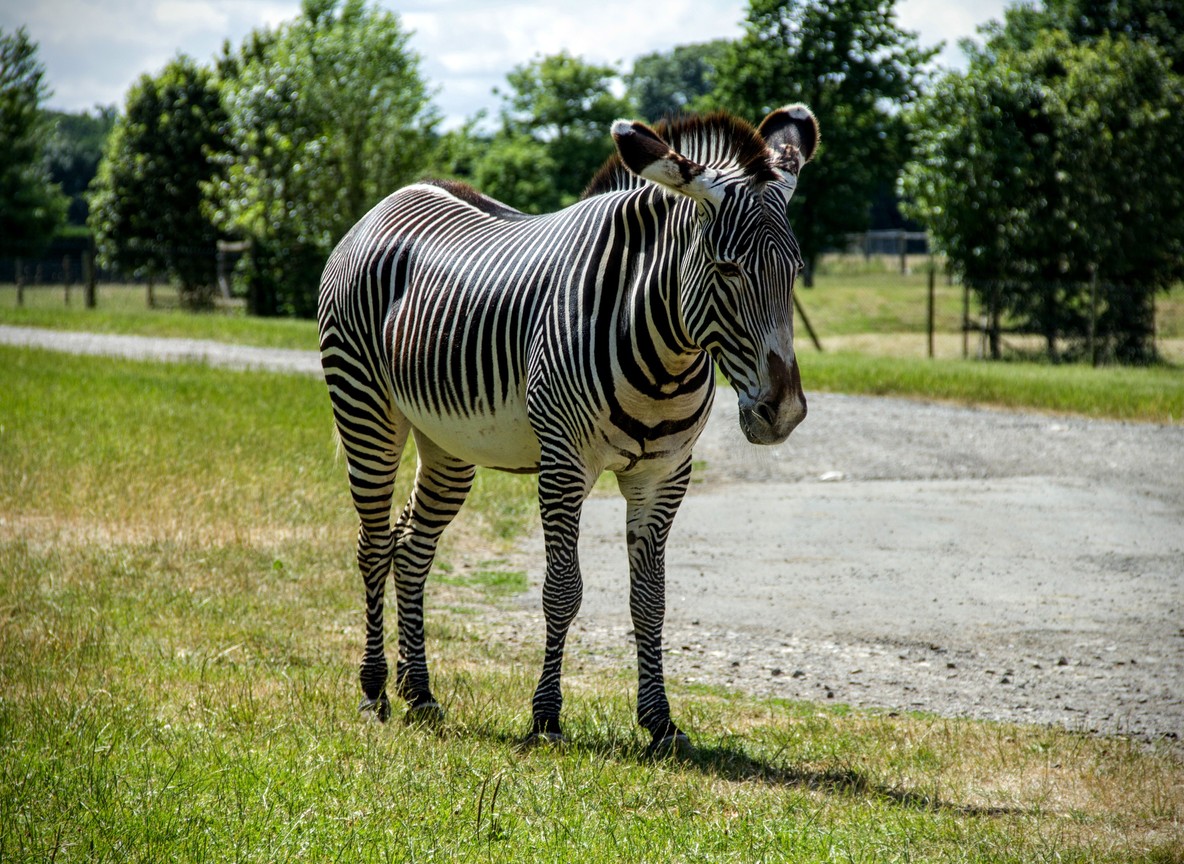
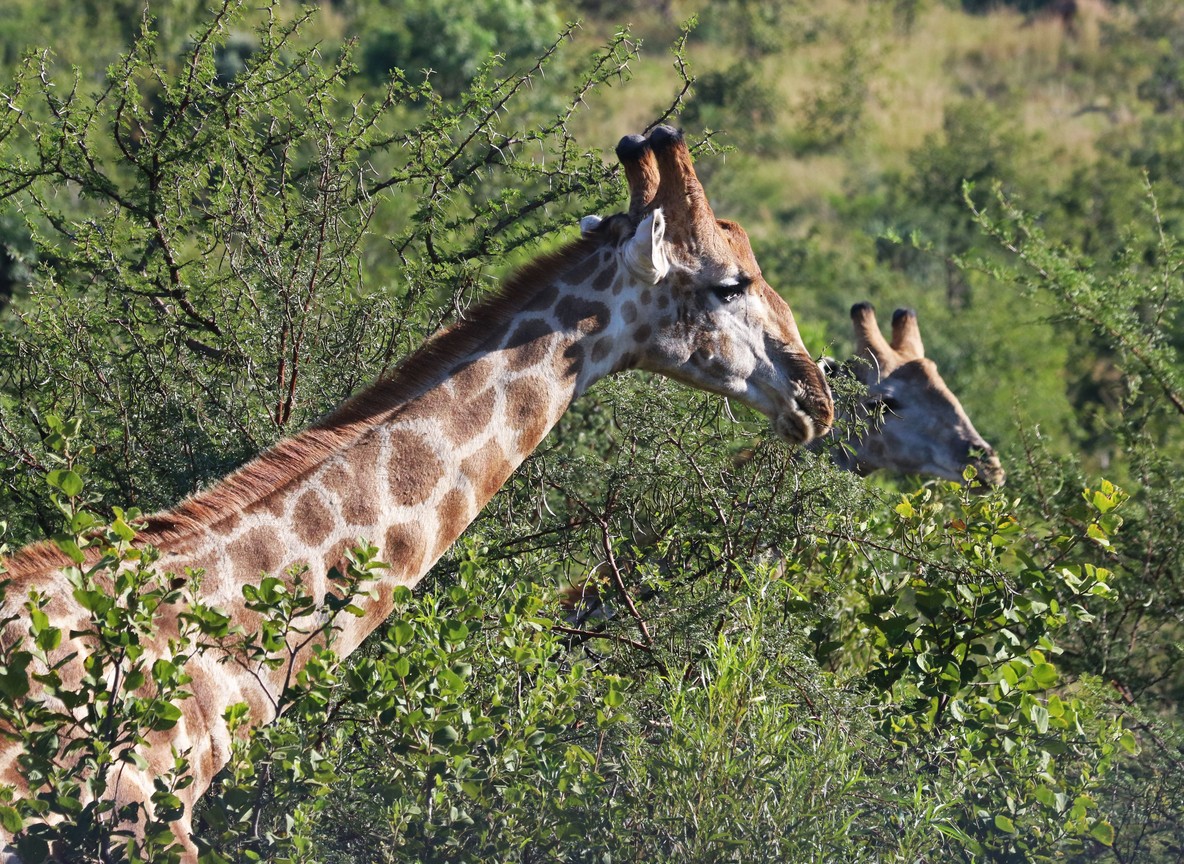
First safaris tend to chase the big, famous names. Second safaris tend to chase something quieter. Northern Kenya delivers that shift without losing wildlife density. Samburu’s dry-country landscape holds species the Mara does not. These include Grevy’s zebra, reticulated giraffe, and the gerenuk antelope, often grouped as the “Samburu Special Five.” Laikipia adds black and white rhino sanctuaries and working cattle-and-wildlife ranches not found south of Nairobi.
The other draw is space. Conservancies like Lewa and Namunyak run far lower vehicle density than a busy Mara conservancy in peak season. A repeat visitor who already knows what a crowded sighting looks like notices the difference fast.
Mapping the Northern Frontier Circuit
The route below moves through three zones: Laikipia’s ranching conservancies, the Samburu ecosystem’s three reserves, and the more remote Mathews Range conservancies. Most repeat visitors run it over 6 to 9 nights. Many fly between hubs rather than driving the full distance each time.
A typical order runs Nairobi to Nanyuki or Lewa first, then east to Samburu. From there, travelers push further north to Namunyak and Sera, then fly home from Samburu’s airstrip. Some reverse the direction. Others add a short Meru National Park detour on the way out.
Northern Frontier Circuit at a Glance
The table below lines up the named reserves and conservancies on this route. It shows real size, indicative fees, and travel time from Nairobi or the previous stop.
| Stop | Size | Non-resident Fee | Travel Time | Nearest Airstrip |
|---|---|---|---|---|
| Lewa Wildlife Conservancy | approx. 250 km2 (62,000 acres) | approx. USD 100-140/night, indicative, bundled into camp rate | 200 km / 3.5-4 hrs drive from Nairobi, or approx. 45 min flight | Lewa Downs Airstrip |
| Borana Conservancy | approx. 93 km2 (23,000 acres) | approx. USD 90-120/night, indicative, bundled into camp rate | Adjoins Lewa, 15-20 min by road | Loisaba/Borana Airstrip |
| Samburu National Reserve | 165 km2 | approx. USD 90-100/day, indicative | 100-110 km / approx. 2-2.5 hrs from Lewa via Isiolo, or approx. 25 min flight | Samburu (Kalama) Airstrip |
| Buffalo Springs National Reserve | 131 km2 | approx. USD 80-90/day, indicative | Adjoins Samburu across the Ewaso Nyiro River | Buffalo Springs Airstrip |
| Shaba National Reserve | 239 km2 | approx. USD 75-85/day, indicative | 25 km / approx. 30 min from Archer’s Post | Shaba Airstrip |
| Namunyak Wildlife Conservancy | approx. 3,137 km2 (775,000 acres) | approx. USD 70-100/night, indicative, bundled into camp rate | 90-110 km / 3-4 hrs by road from Archer’s Post, or approx. 30 min flight | Sarara Airstrip |
| Sera Wildlife Conservancy | approx. 1,392 km2 (344,000 acres) | approx. USD 70-100/night, indicative, bundled into camp rate | Adjoins Namunyak, 1-1.5 hrs by road | Sera Airstrip |
Laikipia First: Lewa, Ol Pejeta, and Borana
Laikipia works well as a first stop. It eases a repeat visitor into new terrain without a jarring transfer. Lewa Wildlife Conservancy protects one of Kenya’s largest black rhino populations. It pairs rhino tracking with horseback and walking safaris rarely offered in the Mara. Ol Pejeta Conservancy sits a short drive or flight away. It holds the last two northern white rhinos on the planet, alongside a large black rhino sanctuary and a chimpanzee sanctuary run with the Jane Goodall Institute.
Borana Conservancy shares an unfenced boundary with Lewa, so wildlife moves freely between the two. Guests staying at either property can often combine game drives across both landscapes on one stay. This makes Laikipia a natural two- or three-night opener before heading further north.
Samburu, Buffalo Springs, and Shaba: Three Reserves, One Ecosystem
The Samburu ecosystem is really three adjoining reserves. County and river boundaries split them, not wildlife patterns. Samburu National Reserve and Buffalo Springs National Reserve sit across the Ewaso Nyiro River from each other. Shaba National Reserve lies a short drive east, near Archer’s Post. Many camps run game drives across more than one reserve on a single stay. Ask your camp which combination its vehicles can access before booking.
This is where the “Special Five” become the headline draw: Grevy’s zebra, reticulated giraffe, gerenuk, Somali ostrich, and beisa oryx. All five are dry-country species absent from the Mara’s grassland ecosystem. Elephant Bedroom Camp and Saruni Samburu both sit inside or beside Samburu National Reserve. Both put guests within a short drive of Ewaso Nyiro riverbank sightings.
Deeper North: Namunyak, Reteti, and Sera
Namunyak Wildlife Conservancy covers the Mathews Range foothills. This is where the circuit stops feeling like an extension of the south. It starts feeling genuinely remote. Namunyak is home to Reteti Elephant Sanctuary, the first community-owned and -run elephant sanctuary in Africa. Local Samburu keepers hand-raise orphaned calves here before releasing them back to wild herds.
Sera Wildlife Conservancy adjoins Namunyak. It holds the Sera Rhino Sanctuary, the first community conservancy in East Africa entrusted with black rhino. Reaching this zone usually means a bush flight into Sarara or Sera airstrip rather than a long, rough drive. Most camps here run on a fly-in-only or fly-in-preferred model.
How Long This Itinerary Actually Takes
A repeat visitor with limited time can compress the circuit to Laikipia plus Samburu over 4 nights, flying both legs. Travelers with 8 to 10 days can add Namunyak and Sera, plus an optional Meru National Park stop, without feeling rushed. Meru sits roughly 130 km and a 3-hour drive from Samburu, or a 25-minute flight. Its 870 km2 of riverine forest and open plains rarely see the vehicle numbers Samburu does, even in peak months.
Driving the entire circuit door to door is possible. It adds a full extra day of rough-road travel, though. Most repeat visitors, having already done a driving safari once, choose short bush flights between hubs instead.
Pacing matters more here than in a first safari. Northern camps sit further apart, so a rushed schedule means more transfer time and less time in each landscape. Build in at least two nights per stop where possible, so the drive or flight in does not eat into your first game drive.
Explorer Notes
Ask specifically whether your camp’s game drive permit covers Samburu, Buffalo Springs, or both. Some vehicles are licensed for only one reserve, and guests often assume otherwise. Guides based at Elephant Bedroom Camp report the best river crossings for elephant herds happen in the late dry season. That runs from January to March, when the Ewaso Nyiro narrows enough for easy fording.
At Reteti, visiting hours stay deliberately limited to short morning and evening feeding windows, to protect the calves’ routine. Confirm timing with your camp days in advance, not on arrival. In Namunyak and Sera, night game drives and walking safaris are more widely permitted than in the KWS-run Samburu reserves. Travelers chasing after-dark sightings often shift that activity to the northern half of the trip.
Frequently Asked Questions
How many days does a northern Kenya circuit need? A focused Laikipia-and-Samburu loop works in 4 to 5 nights. Adding Namunyak, Sera, or Meru comfortably stretches the trip to 8 to 10 nights.
Can I fly between all these stops instead of driving? Yes. Scheduled and chartered light aircraft connect Nanyuki, Lewa Downs, Samburu, Sera, and Sarara airstrips. Most legs run under 45 minutes.
Is this circuit suitable for a first-time visitor, or only repeat travelers? It works best for travelers who have already done a standard Mara or Amboseli safari. They want dry-country wildlife and lower vehicle density on their next trip.
Do I need a different visa or permit for northern Kenya? No. The same Kenya e-visa and standard park or conservancy fees apply. There is no separate northern-region permit.
What is the best season for this route? The dry months from June to October, and January to March, give the easiest road conditions. They also bring the most reliable river-crossing sightings around Samburu and Buffalo Springs.
If your last Kenya trip ended at a Mara airstrip, this circuit is the natural next chapter. Touring Insights’ Tour Packages page lists partner-run itineraries linking Laikipia, Samburu, and the Mathews Range conservancies. Or ask a partner operator to price a fly-in version built around the stops above.
What to Read Next
- Building the whole route yourself? See our northern Kenya safari guide to parks, conservancies, and route planning.
- Want the Samburu ecosystem broken down reserve by reserve? Read our Samburu, Buffalo Springs, and Shaba comparison guide.
- Curious about road conditions before you commit to driving any leg? Check our northern Kenya road conditions guide.
Further reading
More safari planning resources
- Samburu map and Special Five from SafariPure
- Map of Samburu from Valley Safaris
- Samburu National Reserve guide on Touring Insights
- Samburu destination guide on FindMySafari
Related guides: Why Repeat Kenya Safari Visitors Should Ask Camps About Loyalty Discounts.